
Success doesn’t happen by accident. It comes from discipline, perseverance, consistency, and the willingness to take responsibility for your own life.
We all have goals. Some people want to lose weight, build muscle, improve their fitness, or succeed in sports. Others want to make a change in their personal or professional lives.
But there’s a huge difference between wanting something and actually doing what it takes to achieve it.
Some people look for solutions. Others look for excuses. Some accept failure and learn from it. Others look for someone to blame.
And that’s where the difference between a winner’s mindset and a victim mentality begins.
A winner isn’t someone who always succeeds. Winners make mistakes, experience self-doubt, and face setbacks just like everyone else.
The difference is how they respond.
A winner is willing to face the truth, even when it’s uncomfortable.
Instead of blaming others, they ask themselves: What could I have done better? Where did I go wrong? What do I need to change?
They understand that they can’t control everything, but they can influence their attitude, decisions, and daily habits.
Taking responsibility doesn’t mean controlling everything. It means no longer avoiding responsibility for what you can control.
A victim mentality offers a comfortable explanation for why things aren’t going well.
I don’t have time. I don’t have energy. I’m not talented enough. I don’t have the right conditions. I’ll start next week.
Of course, real obstacles exist, and not everything can be overcome through willpower alone. The problem begins when excuses become the automatic response to every challenge.
Someone wants results but refuses to change their behavior. They want success but aren’t willing to leave their comfort zone. They want to improve but reject constructive criticism.
And when results don’t come, they look for more reasons why things aren’t working instead of reflecting on their own actions.
The biggest problem with a victim mentality isn’t failure. It’s refusing to take responsibility for your next steps.
I read a great book called Greenlights by Matthew McConaughey. One of the ideas I took away from it perfectly captures the message of this article.
Constantly living in the role of a victim gets you nowhere.
We all have our own stories. Some parts are good, others are difficult. Some people have an easier start in life, while others have to overcome much greater obstacles.
We don’t always get to choose our past. And not everything that happens to us is our fault.
But we can often influence how we respond to our experiences and the direction we choose to take next.
We can spend our lives blaming others and feeling sorry for ourselves. Or we can accept reality, take responsibility for our next steps, and start making changes.
It’s about our mindset.
Our story shapes who we are today. But it doesn’t have to determine who we become tomorrow.
Bruce Lee emphasized the power of the mind and the importance of how we think about ourselves. That connects to an idea I particularly like:
Words are like spells. Be careful what you say about yourself.
“I can’t do it.”
“I’m not good enough.”
“I’m useless.”
“I’ll never succeed.”
When you constantly repeat these thoughts, you may gradually develop a negative self-image. That can affect your confidence, decisions, and willingness to take on new challenges.
Try changing your inner dialogue.
Instead of “I can’t do it,” say, “I can’t do it yet, but I can learn.”
Instead of “I’m weak,” say, “I’m working on becoming stronger.”
Instead of “I’m useless,” say, “I made a mistake, but I can learn from it.”
This isn’t about blind positivity. Words alone won’t guarantee results. But they can influence how you approach obstacles and encourage you to take action.
Believe in yourself. Speak to yourself with respect. But most importantly, back up your words with actions.
Motivation is a great starting point. It gives us energy and inspires us to take the first step.
But motivation doesn’t last forever.
Some days you feel unstoppable. Other days you don’t feel like doing anything.
That’s when discipline matters.
Motivation gets you to the starting line. Discipline and consistency move you toward the finish line.
A winner understands that long-term success doesn’t come from a few extraordinary efforts. It comes from repeated decisions, regular practice, and patience.
You don’t need to have your best workout every day. But you do need to follow a meaningful plan consistently.
Discipline doesn’t mean ignoring fatigue or recovery. It also means knowing when to push yourself and when to rest.
Consistency isn’t about perfection. It’s about returning to what matters, again and again.
As a personal trainer, there’s one important thing I’ve noticed.
Just because someone has been going to the gym for years doesn’t automatically mean they’re improving.
Some people train for years, yet their technique, strength, and fitness remain practically unchanged.
Of course, not everyone needs to pursue maximum performance. For some, success means staying active and enjoying exercise.
But when someone claims they want significant progress while refusing to change an ineffective approach, there’s a clear gap between their words and actions.
They want to get stronger but don’t train systematically. They want to lose weight but refuse to adjust their eating habits. They want better endurance but avoid working on their weaknesses.
And when results don’t come?
Bad genetics. Not enough time. A slow metabolism.
Yet the real issue may be a lack of planning, inconsistency, or an unwillingness to accept feedback.
If you’ve been repeating the same methods for years and expecting different results, maybe you don’t need more motivation. Maybe you need to change your approach.

A winner doesn’t need to prove they’re always right.
They can acknowledge that someone else has more experience or a better way of doing things.
That’s why they surround themselves with people who challenge them to grow. They seek advice, accept constructive criticism, and learn from those who have achieved more.
A victim mentality, on the other hand, often leads to defensiveness. Instead of considering advice, the person explains why it won’t work or why their own way is best.
Ego can stop you from accepting the truth. Humility can help you grow.
There’s no shame in not knowing something. There’s no shame in making mistakes. The real obstacle is refusing to accept that you still have room to improve.
Many people measure success by comparing themselves to others: how they look, how much weight they lift, or what they post on social media.
But everyone has different abilities, experiences, and starting points.
A winner doesn’t constantly need to prove their worth to others.
They have their own goals and know why they’re pursuing them.
They want to become stronger, healthier, fitter, or more mentally resilient than they were before.
True victory isn’t always about being better than everyone else. Often, it’s about being better than you were yesterday.
Everyone who has ever pursued a challenging goal has experienced failure.
A disappointing race. A training plateau. A missed workout. A performance that didn’t meet expectations.
The difference isn’t whether we experience setbacks. It’s how we respond to them.
A winner can face uncomfortable truths.
Maybe I didn’t prepare well enough. Maybe I overestimated my abilities. Maybe I need a different strategy.
That’s not weakness. That’s self-reflection.
Failure doesn’t have to define you. It can teach you something if you’re willing to listen.
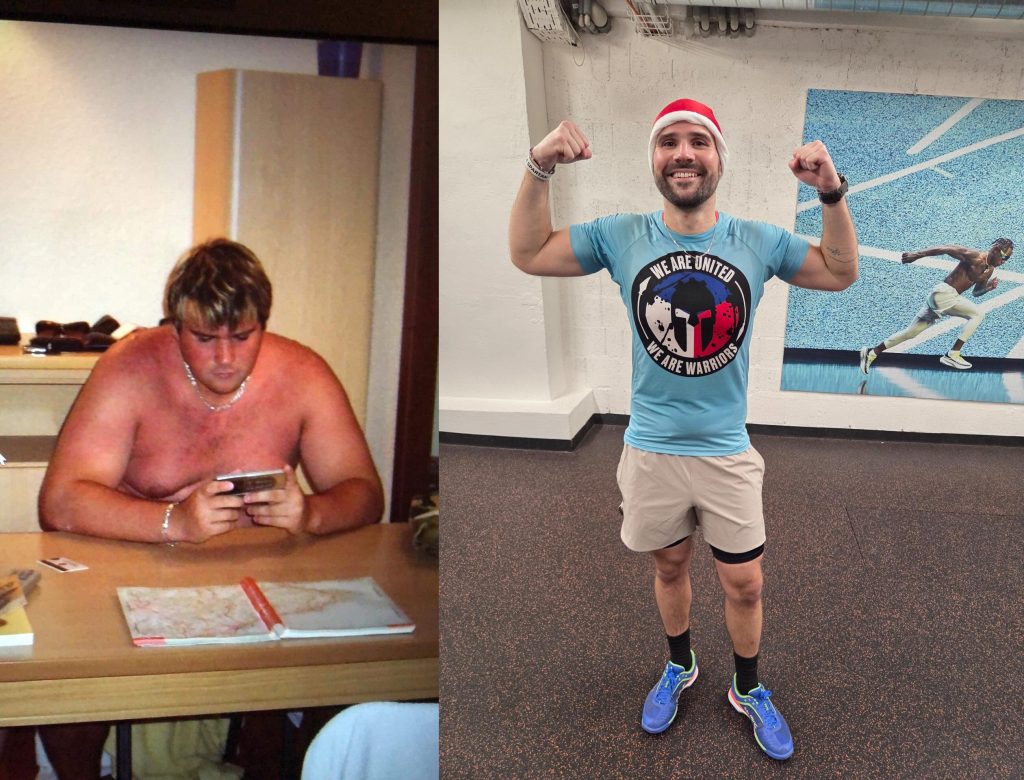
Changing your mindset doesn’t start with big promises. It starts with specific decisions.
A winner’s mindset doesn’t mean always being strong, motivated, or successful.
It means having the courage to face reality, acknowledge your weaknesses, and work on improving them.
A victim mentality, on the other hand, can keep you stuck by offering comfortable explanations for why nothing changes.
We all have our own stories, obstacles, and difficult moments.
But we can choose how we move forward.
We can keep repeating old patterns, making excuses, and waiting for things to change on their own.
Or we can start with ourselves.
Because real change doesn’t begin with what we say. It begins with what we consistently do.
So ask yourself one final question:
Do you truly want to change your life, or do you just want to keep explaining why you can’t?
Vladimír Veverka
Personal Trainer & Nutrition Advisor – Prague 1
Do you have your own experience, a different opinion, or a question you’d like to ask? Get in touch — I’d love to hear your thoughts.
Vladimír Veverka
Xplore Fitness
Na Příkopě 17/1047
Prague 1

Vladimír Veverka
Xplore Fitness
Na Příkopě 17/1047
Prague 1