
Mental health has become one of the biggest topics of our time. Experts talk about it, the media talks about it, and ordinary people talk about it as well. Yet I often feel that we only touch the surface of the problem.
We talk about stress, anxiety, or burnout. But we talk much less about how we actually live and what daily habits shape our mental health.
The reality is that modern life constantly pushes us toward performance. Work, finances, social media, and expectations from others create pressure that many people carry every day.
The question is not whether stress will come.
The real question is how we learn to work with it and what kind of lifestyle we build around it.
Every person develops certain coping mechanisms during their life to deal with pressure or unpleasant emotions. Some of these mechanisms are healthy, while others can slowly lead to even bigger problems.
Through my work and experience with people, I often see several very common reactions.
One of the most common coping mechanisms today is emotional eating.
When people feel stress or pressure, they often reach for food. Sweets, fast food, or highly processed meals can temporarily create a feeling of relief. The brain releases dopamine and the stress seems smaller for a moment.
But very quickly this can turn into an automatic reaction to stress.
People start eating:
Over time, this can create a vicious cycle. Weight increases, health problems appear, and psychological pressure becomes even stronger.

Today we know that the gut has a significant impact on our mental state. It is often called the “second brain.”
A large part of hormones and neurotransmitters that influence mood are produced in the gut. This means that the quality of the food we eat can influence our mental state.
Poor nutrition can show itself as:
On the other hand, good nutrition can help stabilize both energy and mental balance.
Another common escape from stress is the digital world.
After a long day, it is easy to turn on television, Netflix, a computer, or start endlessly scrolling through social media.
There is nothing wrong with it in moderation. The problem begins when it becomes a daily habit.
Many people spend their evenings watching series or playing games until late at night. Suddenly it is midnight or even one in the morning, and the next day begins with very little energy.
This disrupts one of the most important pillars of mental health — sleep.
Another common coping mechanism is alcohol.
Alcohol can temporarily release tension and stress, which is why many people reach for it after a demanding day.
However, this relief is short-term and often comes with long-term consequences.
Alcohol significantly affects:
People may feel relaxed in the evening, but the next day often brings fatigue, lower mood, and reduced energy.
And again, the cycle continues.
A similar situation can occur with marijuana.
Many people use it to relax or escape stress. However, modern strains can be very strong and contain high levels of active substances.
Long-term use may lead to psychological dependence, where a person feels unable to relax without it.
For people who are predisposed to mental health issues, marijuana may worsen anxiety, paranoia, or other psychological problems.
Another major issue today is obesity.
Besides health risks, obesity often brings strong social pressure. Society can sometimes be superficial, and people with excess weight may face judgment or criticism.
This can create additional psychological stress that makes the situation even harder.
However, it is important to remember one thing: the human body is designed to be healthy, strong, and functional.
Taking care of the body should not be only about aesthetics, but mainly about health, energy, and quality of life.
Mental health stands on several fundamental pillars:
If one of these pillars is missing for a long time, it will eventually affect our mental state.
For example, lack of sleep can lead to:
And again, the cycle continues.
Our environment has a huge influence on our mental health.
The people around us can affect our mindset more than we often realize.
That is why it is important to surround yourself with people who:
Brazilian fighter Glover Teixeira became a champion at the age of forty in the Ultimate Fighting Championship.
After winning the title, he said a simple but powerful sentence:
“Surround yourself with people who believe in you.”
Support and belief from others can have enormous power.

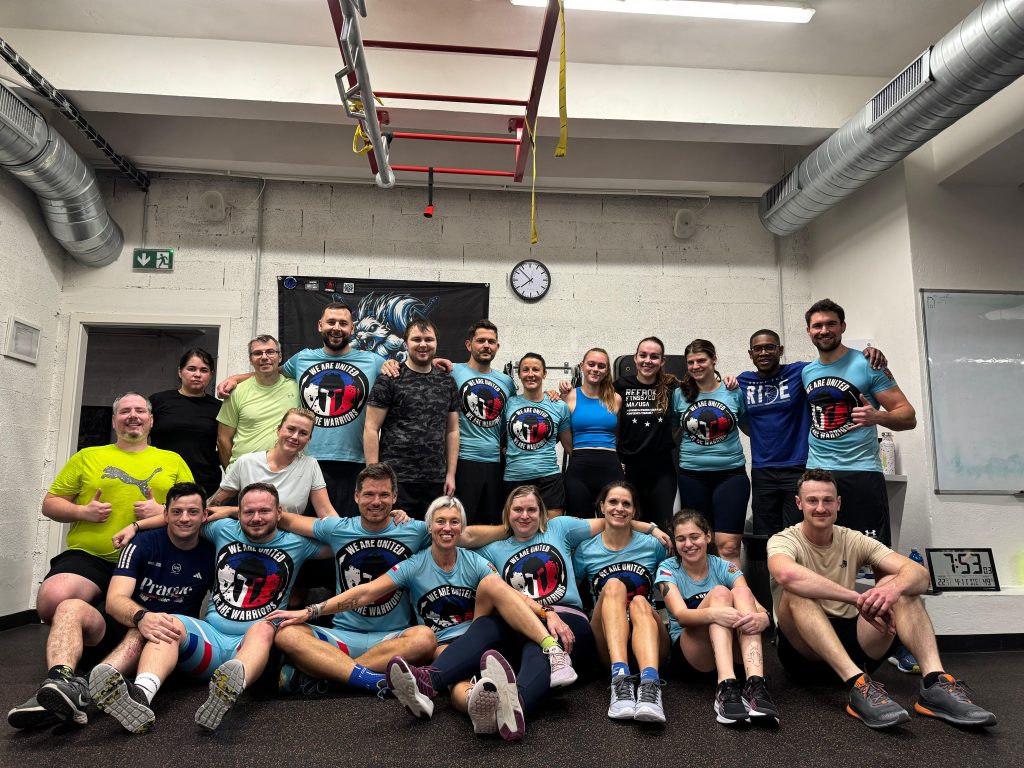
Human beings are naturally social and relational creatures.
Relationships play a very important role in our lives.
In relationships we often learn the most — not only about the other person, but also about ourselves.
Relationships show us our reactions, emotions, communication patterns, and weaknesses.
Of course, this does not mean that someone should be in a relationship at any cost.
But healthy relationships can be a powerful tool for personal growth.
People often underestimate something very important — psychosomatics.
I often meet people who suffer from recurring health issues: constant inflammation, illnesses, exhaustion, or chronic fatigue.
Sometimes we are afraid to admit certain things to ourselves.
Our rational mind says, “Everything is fine.”
But deep inside, our subconscious may be under tension for a long time, and the body becomes exhausted.
Eventually the body says stop.
Illness or exhaustion can sometimes be the body’s way of forcing us to slow down and change something that has been wrong for a long time.
The connection between the body and mind is much stronger than we often realize.

Challenges in life are extremely important.
They strengthen our mindset, teach us to handle discomfort, and help us become more resilient.
One big inspiration for me is David Goggins.
That is also why I enjoy races like Spartan Race.
It is a competition where you fight not only the obstacles and the terrain, but mainly yourself.
You do not need to run 100 kilometers like David Goggins. Even a 5 km race can push a person far beyond what they expected.
The key is having a goal.
A goal is a powerful engine in life. It gives direction, motivation, and energy.
Finding something you truly love can bring joy, passion, and balance into your life.
That is why I often say: do not be lazy when it comes to exploring life.
There are millions of possibilities around you.
Sport, travel, learning new skills, personal growth — everyone can find something that gives meaning and joy.

Therapy can be a powerful tool for self-development and self-understanding.
Personally, I would recommend it to almost everyone.
There is nothing wrong with seeking deeper understanding of yourself.
Books can also be a strong source of inspiration.
Right now I am reading “Can’t Hurt Me” by David Goggins, which is a powerful story about discipline and mental toughness.
Another thing many people miss today is nature.
Modern life keeps us indoors — in offices, apartments, and behind screens.
Yet even a few minutes in nature can significantly reduce stress and improve mental wellbeing.
Sometimes a simple walk in the forest can do more for your mind than hours spent in front of a screen.
Everything written here represents my personal views and experiences.
Every person needs to find their own system for living a stable and fulfilling life.
Today’s society is overloaded with information. People constantly search for instructions from others instead of exploring themselves.
Self-development and self-discovery are lifelong journeys.

Traveling does not have to mean expensive luxury vacations.
Even simple trips can open your mind to new cultures, people, and ways of living.
Traveling often makes people realize something important — how fortunate we actually are in countries like the Czech Republic.
Changing perspective can change how we see our own lives.
I am not a psychologist or therapist.
Everything in this article represents my personal views and life experiences.
There is no universal manual for life.
But sometimes a single idea can inspire someone to pause, reflect, and take one small step in a better direction.
And sometimes that single step can change much more than we expect.
Vladimír Veverka
Xplore Fitness
Na Příkopě 17/1047
Prague 1

Vladimír Veverka
Xplore Fitness
Na Příkopě 17/1047
Prague 1